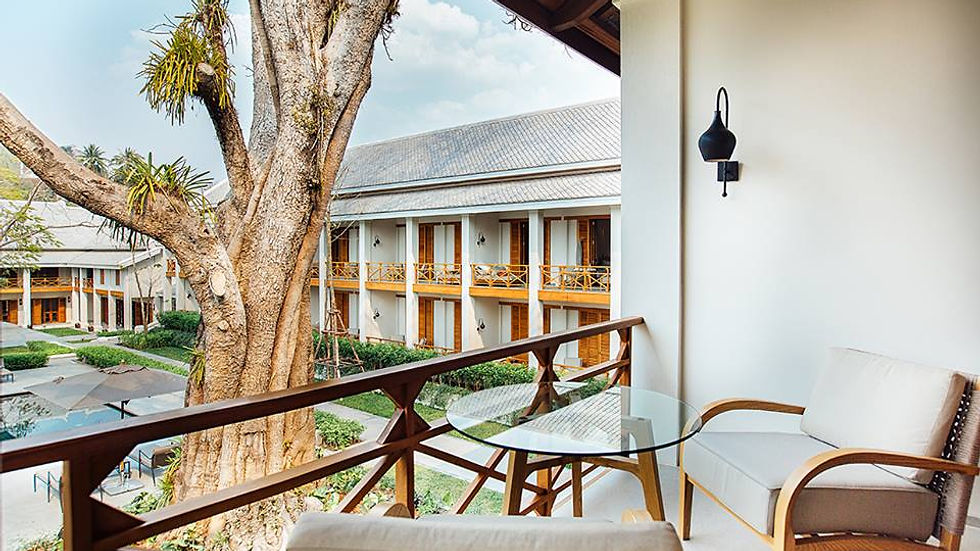
Transforming Aging Buildings into Modern Marvels in Phuket

Updated: May 4
For years, the construction industry in bustling hubs like Phuket has thrived on the allure of starting from scratch. Developers flocked to pristine plots of land, crafting modern tropical escapes that captured the imagination. But as prime land becomes increasingly scarce and the market reaches a saturation point, a new opportunity has emerged: breathing life into existing structures and unlocking their hidden potential.
The Aging Asset Challenge
Buildings constructed 15 to 25 years ago are now reaching a critical juncture. In tropical climates, high humidity and airborne salts wreak havoc on materials, accelerating metal corrosion and concrete degradation. These aging structures face failing mechanical systems, outdated aesthetics, and poor energy efficiency. The challenges don’t stop there—functional needs have evolved dramatically. Spaces designed decades ago lack the digital infrastructure, work-from-home adaptability, and eco-friendly features that modern tenants and buyers demand.
A Technological Revolution in Renovation
Thankfully, the past two decades have ushered in groundbreaking advancements in materials and technology. Renovation projects now benefit from tools like Building Information Modeling and digital twins, which enable precise analysis of existing structures. Improved materials, such as engineered hardwood with enhanced durability and marine-grade stainless steel, are better suited for harsh climates. Meanwhile, cutting-edge HVAC systems and AI-driven energy analytics optimize performance and sustainability in ways that were unimaginable 20 years ago.
The Blueprint for Building Rejuvenation
Transforming an aging building into a modern asset is no small feat. It requires a strategic, methodical approach to mitigate risks and manage complexities. Here’s a roadmap for success:
1. Pre-Works Investigation Report (PWIR)
Start with a thorough assessment. Use tools like Ground Penetrating Radar (GPR) to evaluate structural integrity and conduct detailed audits of mechanical, electrical, and plumbing systems to determine their remaining lifespan.
2. Regulatory Feasibility
In Thailand, any "Change of Use" triggers stringent building code updates. Owners must be prepared for mandatory upgrades like wider fire exits or accessibility features to comply with modern regulations.
3. Repair vs. Replace Decisions
A cost-benefit analysis is critical when addressing aging systems. While repairs may seem cheaper upfront, replacing outdated HVAC or plumbing systems often proves more cost-effective in the long run due to improved efficiency and warranties.
4. Strategic Project Management
A skilled project manager is essential to align the renovation with the owner’s vision while coordinating designers, engineers, and contractors to navigate the challenges of working with existing structures.
A Vision for the Future
Revitalizing an older building is about more than aesthetics; it’s about transforming a liability into a high-performing asset that meets modern standards and expectations. By blending local cultural insights with global best practices, property owners can unlock untapped value while contributing to sustainability and urban renewal. With the right strategy, these rejuvenated spaces can not only stand the test of time but thrive for decades to come.
The future of construction isn’t just about building new—it’s about reimagining what already exists. The era of asset rebirth is here, and it’s redefining how we think about development in today’s world.
In this context, I believe that embracing renovation can lead to a more sustainable future. It allows us to preserve the character of our surroundings while adapting to modern needs.